

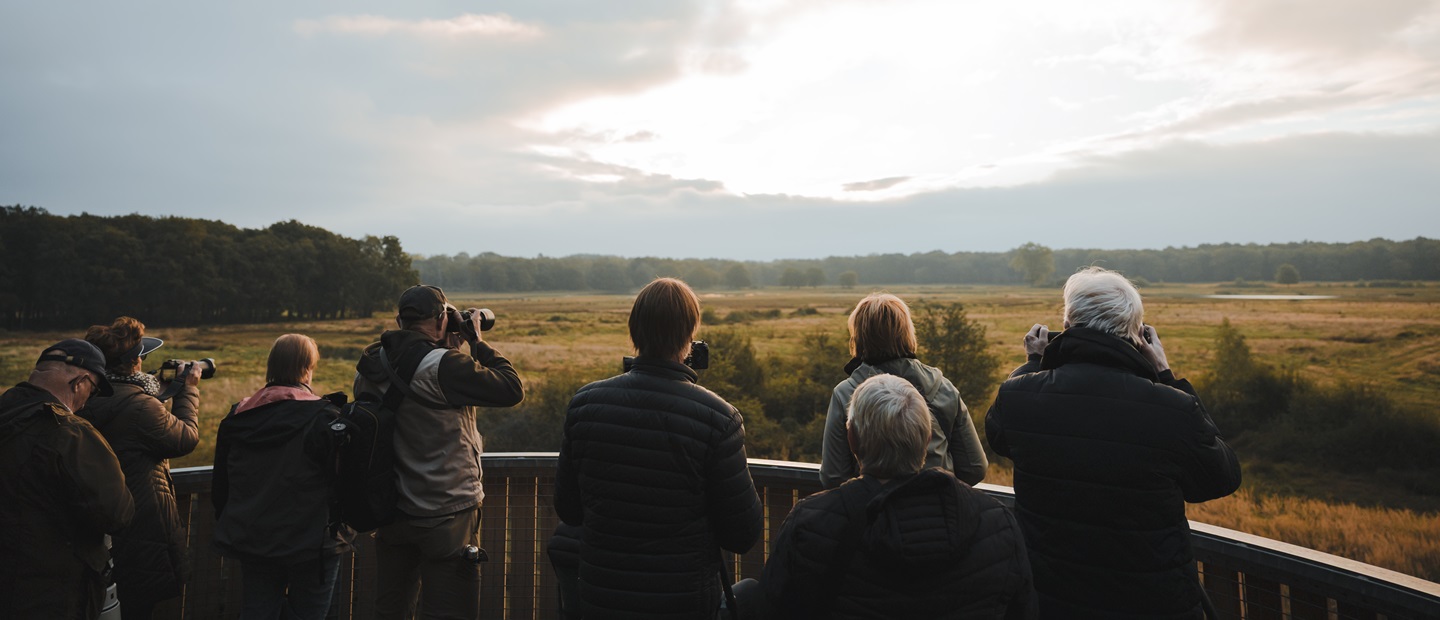
KempenBroek
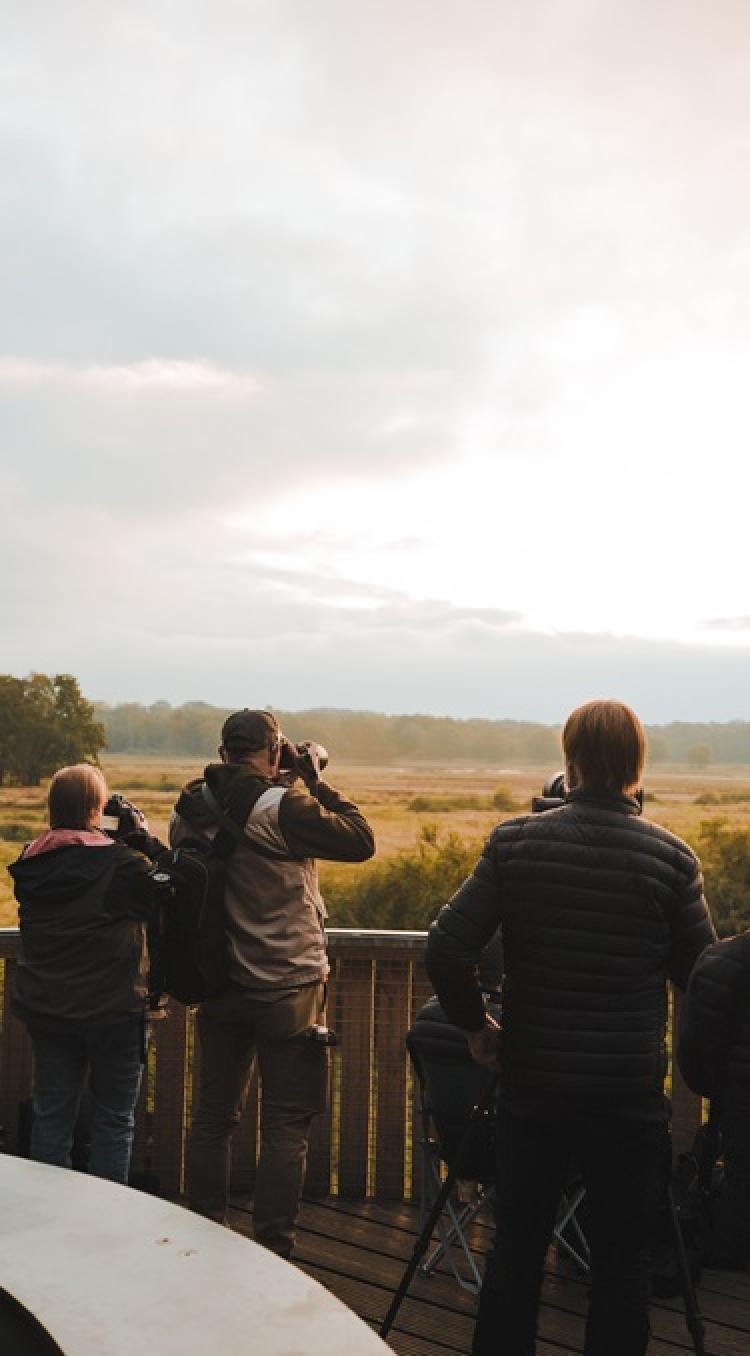
Where people and nature come together
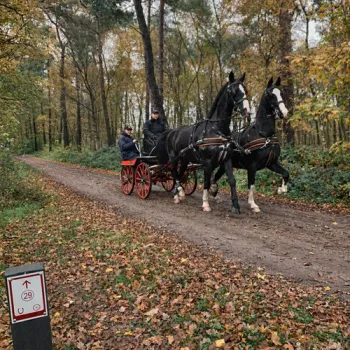
KempenBroek stretches across parts of the Netherlands and Belgium. A varied landscape where people and nature have been connected for centuries. Between vast forests and wetlands, you'll discover charming villages, old farmland and traces of a rich past. Since 2024, KempenBroek has been recognised as a UNESCO Biosphere Reserve. A special region to explore on foot, by bike or on horseback.
What makes KempenBroek so special?
KempenBroek is not just about protecting nature, but also about the future of the people who live and work here. Farmers, nature organisations, businesses and residents work together to preserve the landscape and develop it sustainably. This connection between people and nature is the foundation of its UNESCO recognition. KempenBroek is therefore more than just a place to visit. It's a living landscape where nature and everyday life go hand in hand.
A world of variety in one landscape
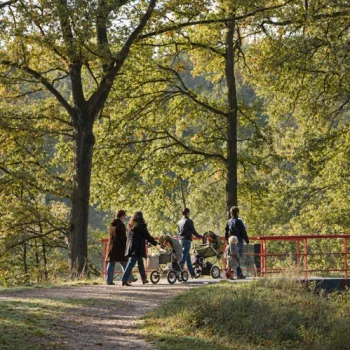
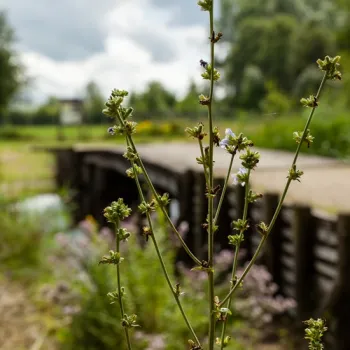
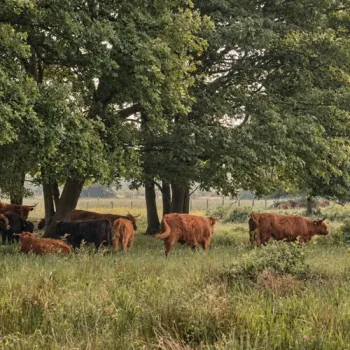
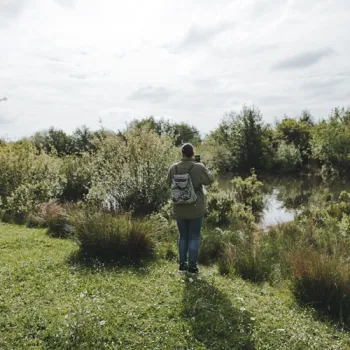
KempenBroek is home to a surprising variety of landscapes. Dense forests give way to open plains, while a little further on you'll find views over wetlands. Every area has its own character. From quiet places where nature takes centre stage to areas with plenty of space for outdoor activities and relaxation. Below, we highlight some special areas, but there's much more to explore.
Head out and explore
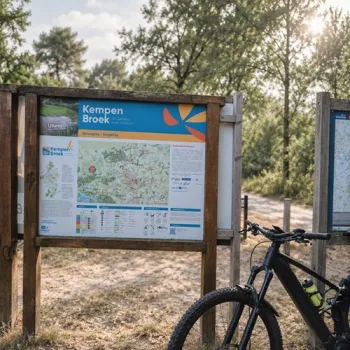
The best way to get to know the area is to head out and explore it yourself. KempenBroek has an extensive network of routes taking you through its different landscapes and past special places. There's plenty of space to discover the region in whichever way suits you best.
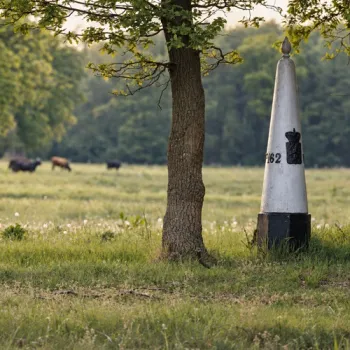
A border region full of stories
The history of KempenBroek is full of fascinating stories. For centuries, traders and smugglers travelled along hidden paths through the vast wetlands and forests. The notorious Bokkenrijders are also said to have left their mark here. Their mysterious stories of night-time robberies still capture the imagination today. And then there were the mysterious lights, known as will-o'-the-wisps, which according to old folk tales floated above the wetlands. People believed they were wandering souls appearing in the darkness. Which parts are true and which are legend remains an intriguing part of the region's history.
But not every story is surrounded by mystery. Boshoverheide is home to one of the largest prehistoric urnfields in northwestern Europe. Around 3,000 years ago, people buried their dead beneath burial mounds, hundreds of which can still be recognised today. A remarkable piece of history that you can see for yourself during a walk.
Mills as silent witnesses to the past
The many historic mills also remind us of life in earlier times. Since the Middle Ages, local people have used the power of flowing water to grind grain, press oil and saw wood. Later, windmills appeared on the edges of villages, where their sails had plenty of room to turn. Many of these mills have been preserved, and some are still working today. A special part of the region's heritage that you can explore for yourself.
Working together for the future of KempenBroek
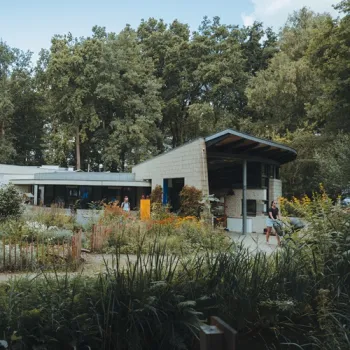
Behind the special landscape of KempenBroek is a large group of people and organisations working to preserve the region and protect its future. Regionaal Landschap Kempen en Maasland (RLKM) brings these partners together and coordinates their cooperation within the UNESCO Biosphere Reserve. Their work focuses not only on nature and the landscape, but also on heritage and sustainable tourism. This helps KempenBroek remain a special place to live, work and visit.
Do you have questions about KempenBroek or would you like to learn more about the organisation and its work? Visit the KempenBroek website or contact Regionaal Landschap Kempen en Maasland.
Contact details
Regionaal Landschap Kempen en Maasland vzw
Winterslagstraat 87
3600 Genk, België
Phone: +32 (0)89 69 11 20
Email: info@rlkm.be
Website: www.rlkm.be